Flooring materials for Ohio houses
What each one is good at, what it costs installed here, and the rooms where it is the wrong answer.
Eight kinds of floor
What each one is good at, what it costs installed here, and the rooms where it is the wrong answer.
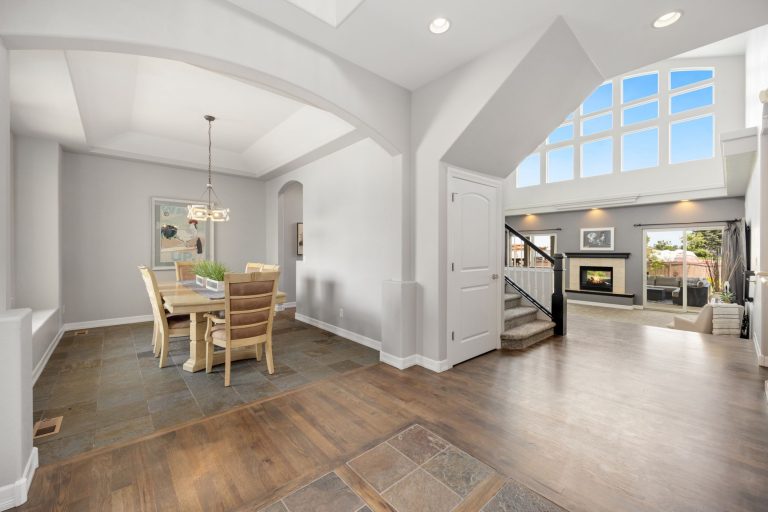
Hardwood
Solid and engineered. Still the best resale return on this list.
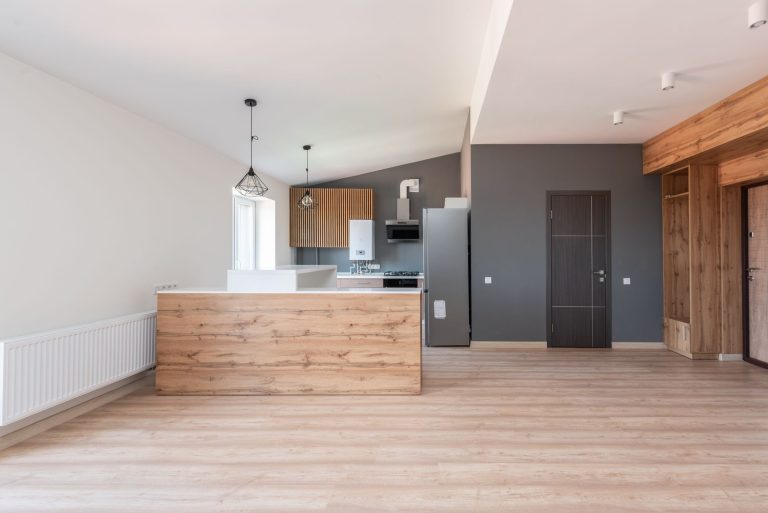
Luxury Vinyl Plank
Waterproof, and the usual answer below grade.
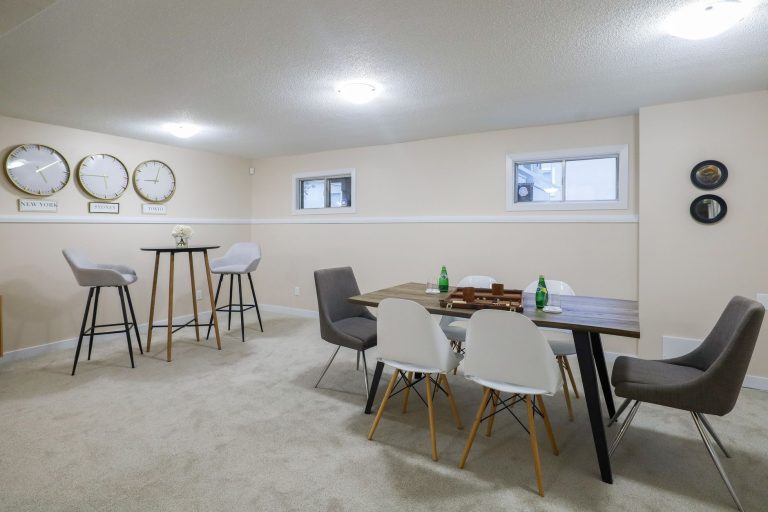
Carpet
Bedrooms, family rooms and the finished half of the basement.
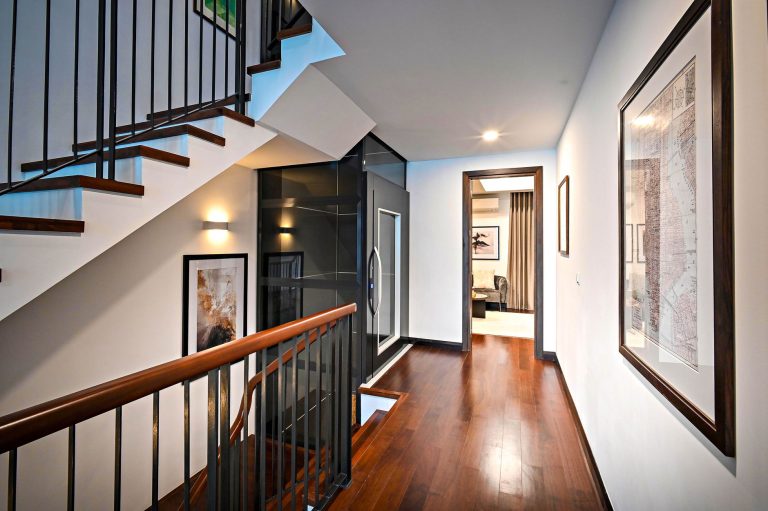
Refinishing
Sand, stain and seal the boards already under the carpet.
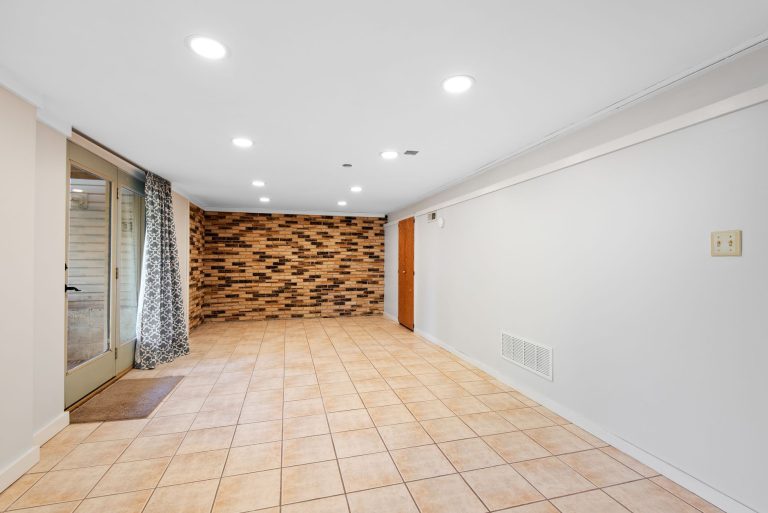
Tile & Porcelain
Entries and mudrooms that take road salt all winter.
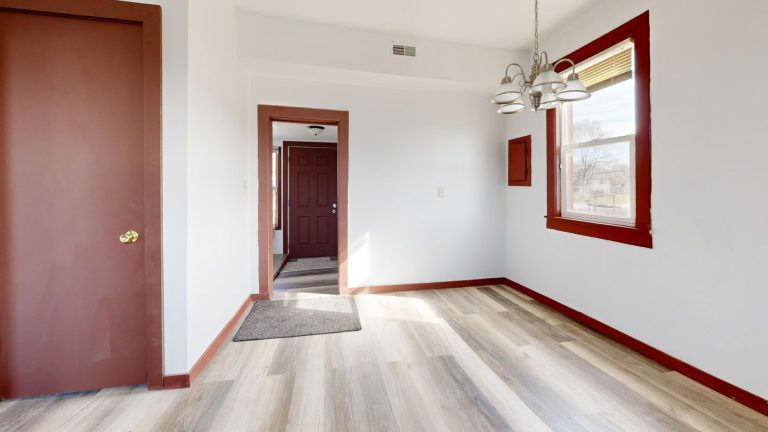
Laminate
The budget end done properly — and where it is a false economy.
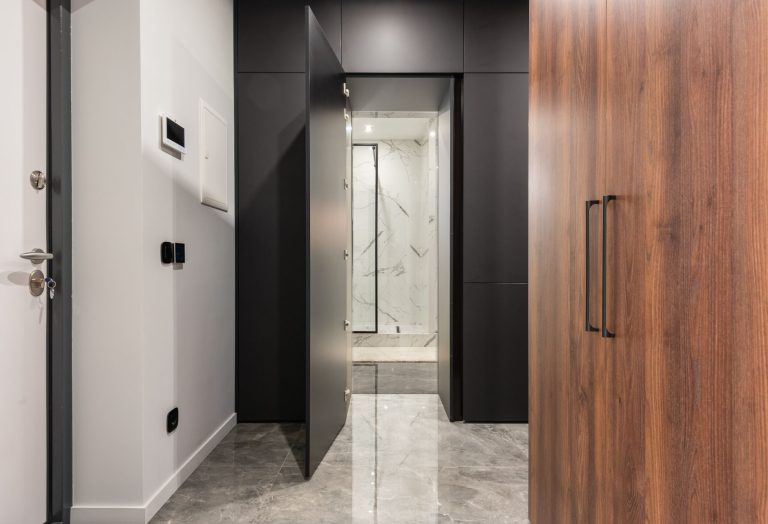
Natural Stone
Foyers and powder rooms, where the floor does the talking.
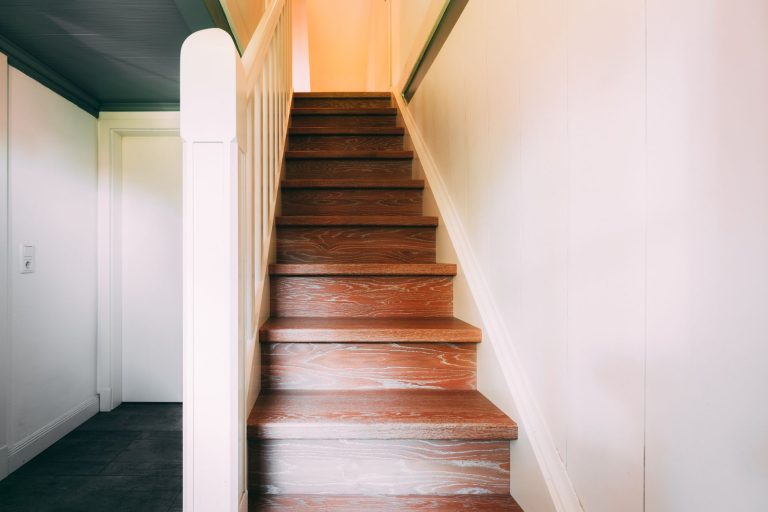
Stairs & Landings
Treads, risers and railings, split-level included.
Installed ranges across Ohio
Materials and labor together. Columbus and the Cleveland suburbs sit at the top of each band; Youngstown, Canton and rural counties sit at the bottom.
| Work | Installed range | |
|---|---|---|
| Hardwood, installed | $6 – $21 | per sq ft |
| Luxury vinyl plank | $2 – $12 | per sq ft |
| Carpet, installed | $2 – $8 | per sq ft |
| Laminate | $3 – $9 | per sq ft |
| Refinish existing boards | $3 – $8 | per sq ft |
| Tile, installed | $9 – $14 | per sq ft |
| Removing the old floor | $1 – $4 | per sq ft |
An estimate, not a quote. These are planning ranges for Ohio, not a quote. What you actually pay depends on your rooms, your subfloor and the material you choose.
Choosing between them
In a Ohio house the choice is narrowed by the building far more than by taste. Three
questions settle most of it:
- Is it below grade? If yes, wood products are out — that means solid hardwood
and laminate — and rigid-core luxury vinyl plank or tile is the answer. - What is the subfloor? A diagonal plank subfloor takes nailed solid hardwood
and carpet directly. Everything else wants an underlayment or an overlay first, and that is a real
cost. How to identify yours. - How much does the floor move? Old joists deflect, and rigid materials crack.
Tile and stone in an older house need a deflection check before a product is chosen, not
after.
And one that comes before all three: is there already a hardwood floor under the
carpet? In a great many Ohio houses there is, and
refinishing it costs roughly a third of replacing it.
Questions people actually ask
Does my flooring contractor have to be registered in Ohio?
As of 1 January 2026, yes, for residential work on one- to three-family homes. HB 614 created Ohio's first statewide Home Improvement Contractor registration through the Ohio Construction Industry Licensing Board; before that there was no state license for flooring at all. Registration requires a criminal background check, a $25,000 surety bond, $500,000 in general liability and workers' compensation. Your city may require its own registration on top of the state one.
What flooring actually works in an Ohio basement?
Luxury vinyl plank, in most cases. It is waterproof, it floats directly over a concrete slab, and it handles the temperature and humidity swing below grade. Carpet works in a dry, finished basement with a good vapor barrier. Solid hardwood does not belong below grade.
Is it worth refinishing instead of replacing?
When there is enough wood left to sand, refinishing typically runs about a third of the cost of new hardwood. Solid strip flooring can usually take several sandings across its life; engineered wood depends entirely on how thick its top veneer is. In cities like Cleveland and Canton, where roughly two in five homes predate 1940, there is a real chance the best floor in the house is already in the house.
Why is flooring cheaper in Youngstown than in Columbus?
Material is a national commodity and costs about the same everywhere. Labour is not, and it is the only part of an installed price that genuinely varies across Ohio. Columbus and the Cleveland suburbs sit at the top of each band; Youngstown, Canton and rural counties sit at the bottom.