What a new floor costs in Ohio.
Eight materials, installed price ranges from Columbus to Youngstown, and a cost estimator that runs in the page. No forms, no email gate, and nobody calls you afterwards.
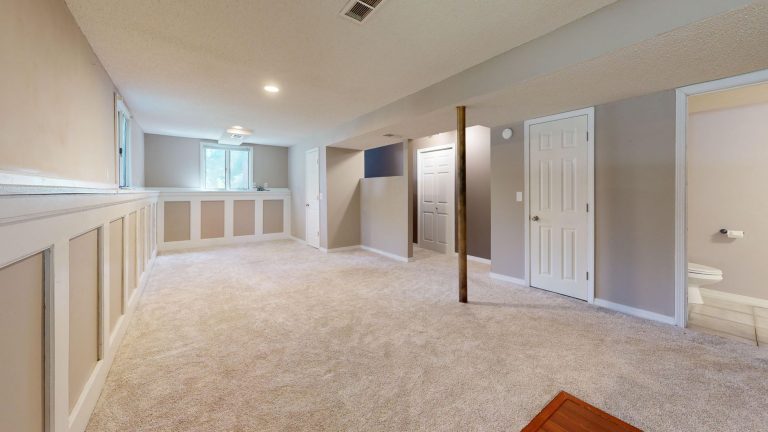
Basement
Below grade, on concrete, with moisture to plan around.
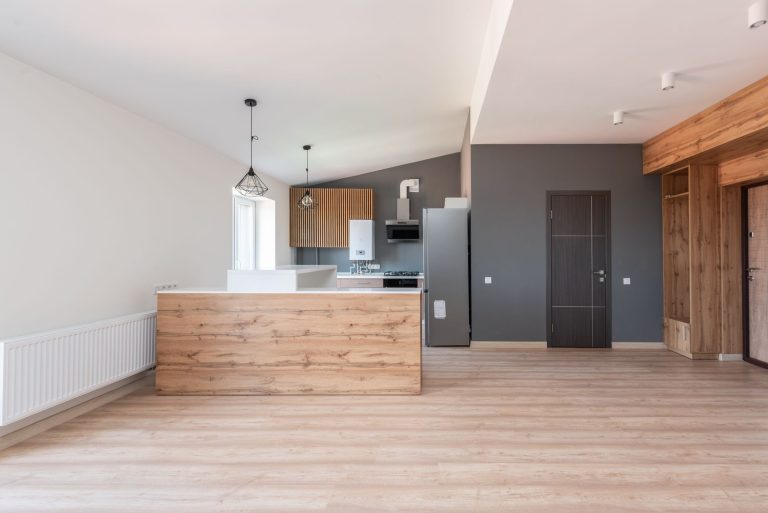
Kitchen
Spills, chairs and standing all evening.
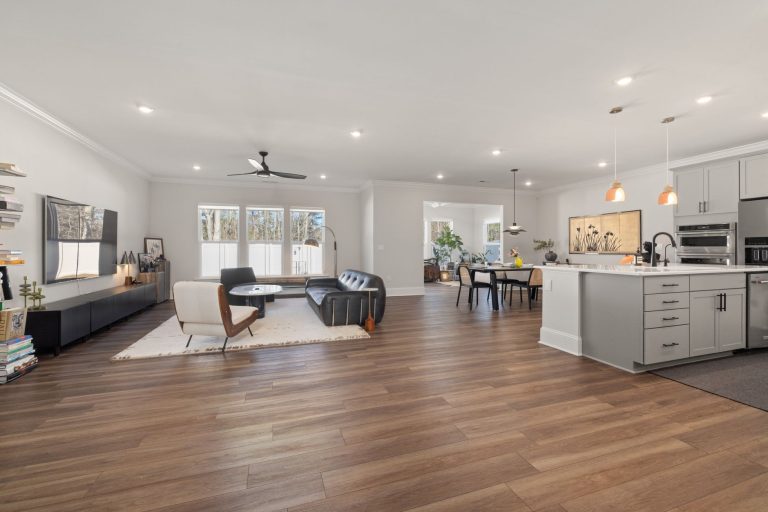
Living & family room
The floor everyone sees first.
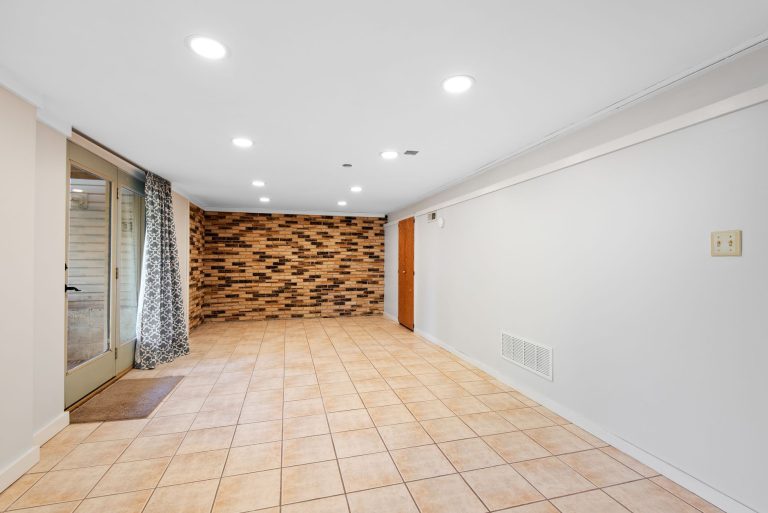
Entry & mudroom
Road salt, slush and boots, five months a year.
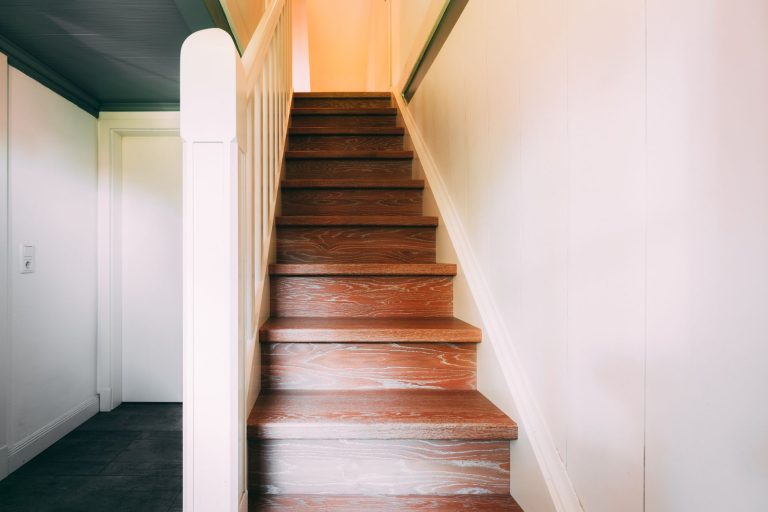
Stairs
The most-walked surface in the house.
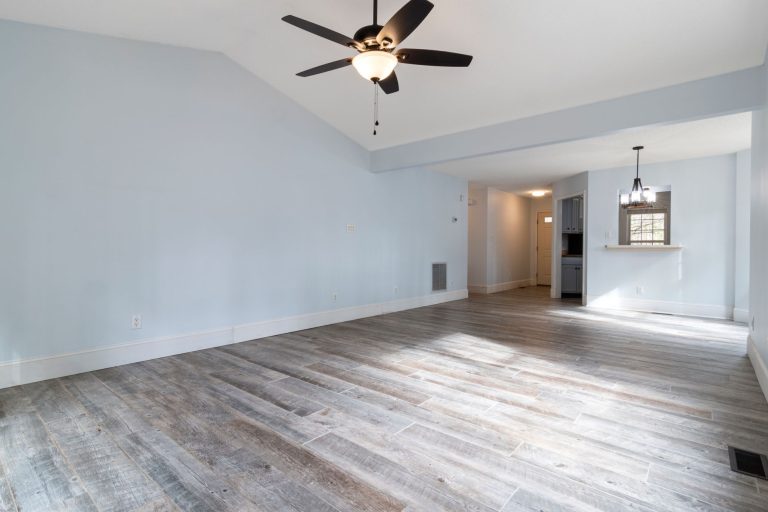
Bedrooms
Quiet, warm, and cheaper per square foot.
Eight kinds of floor
What each one is good at, what it costs installed here, and the rooms where it is the wrong answer.
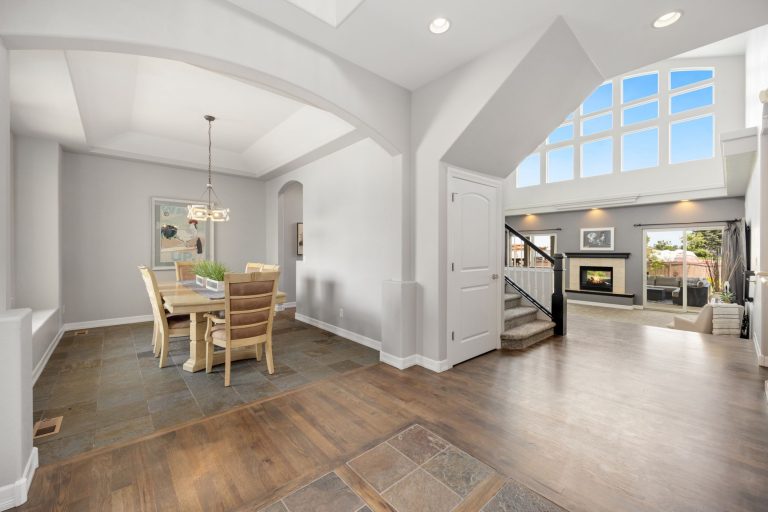
Hardwood
Solid and engineered. Still the best resale return on this list.
Luxury Vinyl Plank
Waterproof, and the usual answer below grade.
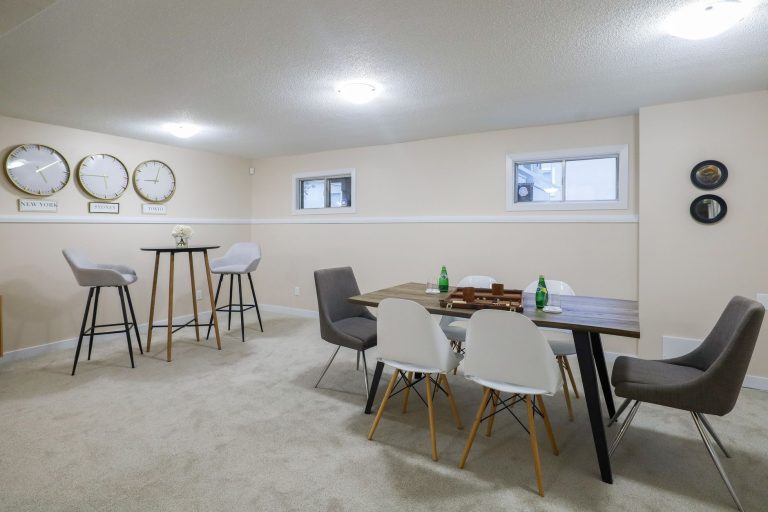
Carpet
Bedrooms, family rooms and the finished half of the basement.
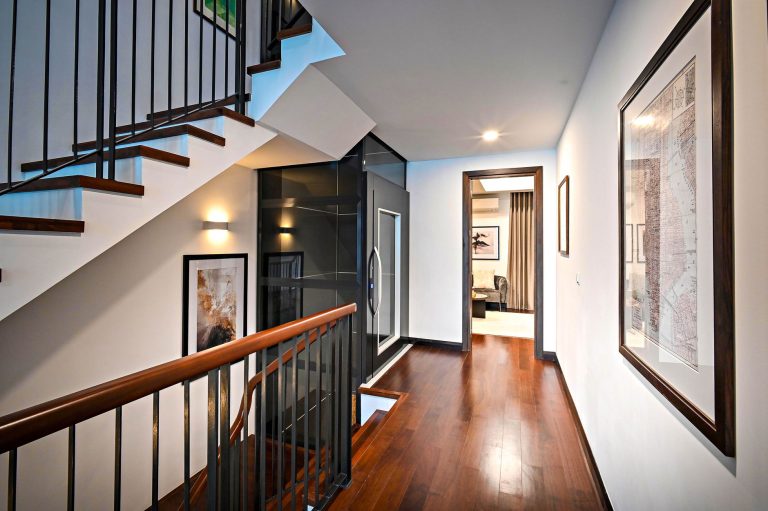
Refinishing
Sand, stain and seal the boards already under the carpet.
Tile & Porcelain
Entries and mudrooms that take road salt all winter.
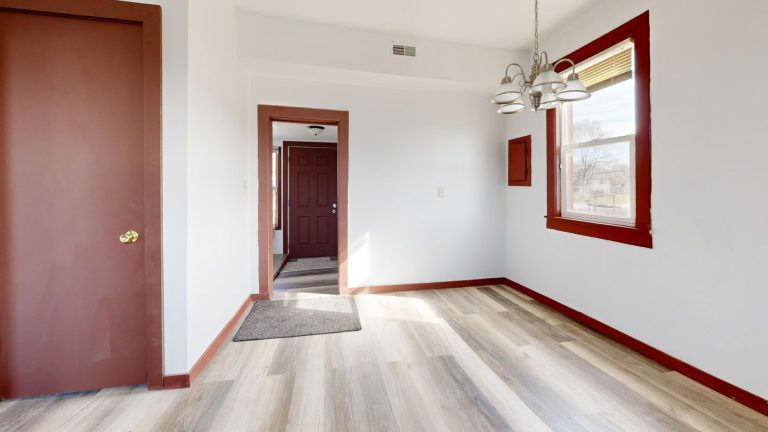
Laminate
The budget end done properly — and where it is a false economy.
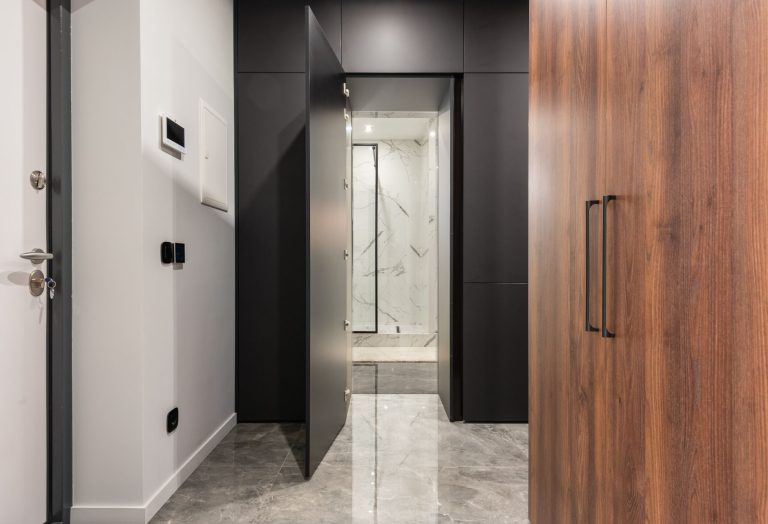
Natural Stone
Foyers and powder rooms, where the floor does the talking.
Stairs & Landings
Treads, risers and railings, split-level included.
Installed ranges across Ohio
Materials and labor together. Columbus and the Cleveland suburbs sit at the top of each band; Youngstown, Canton and rural counties sit at the bottom.
| Work | Installed range | |
|---|---|---|
| Hardwood, installed | $6 – $21 | per sq ft |
| Luxury vinyl plank | $2 – $12 | per sq ft |
| Carpet, installed | $2 – $8 | per sq ft |
| Laminate | $3 – $9 | per sq ft |
| Refinish existing boards | $3 – $8 | per sq ft |
| Tile, installed | $9 – $14 | per sq ft |
| Removing the old floor | $1 – $4 | per sq ft |
An estimate, not a quote. These are planning ranges for Ohio, not a quote. What you actually pay depends on your rooms, your subfloor and the material you choose.
Work out your own number
Your room, your material, what is already down. It runs in the page, it does not ask for your email, and nobody calls you afterwards.
- Runs entirely in your browser — nothing is sent anywhere unless you ask us to email it.
- Splits the number into materials, labor and the extras that actually move a flooring bill.
- Regional labor differences are applied to labor only, because that is the part that varies.
- No email required, no phone number, and nobody calls you.
Four things that are specific to Ohio
Ohio finally has a statewide registration
Until 1 January 2026 Ohio had no state license for general or flooring contractors at all — only the trades boards for HVAC, electrical, plumbing, hydronics and refrigeration. HB 614 changed that. A contractor doing residential remodelling, repair or renovation on a one-, two- or three-family home now registers with the Ohio Construction Industry Licensing Board, and registration requires a criminal background check, a $25,000 surety bond, $500,000 in general liability and a workers' compensation certificate. It is new enough that plenty of contractors are still catching up. Ask to see it.
Your city may want its own registration too
The state requirement sits on top of local rules rather than replacing them. Columbus, Cleveland, Cincinnati and most other Ohio municipalities run their own contractor registration through the building department, and the thresholds differ from one jurisdiction to the next. Check both.
Basements are the whole ballgame
Ohio is a basement state, and below-grade concrete moves moisture whether or not you ever see standing water. That is why luxury vinyl plank has taken over down there: it is waterproof, dimensionally stable across the temperature swing, and it floats over a slab without a plywood overlay. Solid hardwood below grade is a mistake that takes about two years to show up.
Two-thirds of Ohio homes predate 1980
Which puts most of the state inside the EPA's lead-safe renovation rules. Flooring work that disturbs painted trim, thresholds or door casings in a pre-1978 home is supposed to be done by a certified firm with contained work areas. It is neither optional nor expensive, but it is worth asking before anyone starts pulling baseboard.
Ohio's first statewide contractor registration
surety bond a registered contractor must carry
minimum general liability required
Ohio homes were built before 1980
Across Ohio
Nine Ohio cities, each with its own housing stock and its own answer. Every figure on these pages is that city's own Census number, not a state average.
Questions people actually ask
Does my flooring contractor have to be registered in Ohio?
As of 1 January 2026, yes, for residential work on one- to three-family homes. HB 614 created Ohio's first statewide Home Improvement Contractor registration through the Ohio Construction Industry Licensing Board; before that there was no state license for flooring at all. Registration requires a criminal background check, a $25,000 surety bond, $500,000 in general liability and workers' compensation. Your city may require its own registration on top of the state one.
What flooring actually works in an Ohio basement?
Luxury vinyl plank, in most cases. It is waterproof, it floats directly over a concrete slab, and it handles the temperature and humidity swing below grade. Carpet works in a dry, finished basement with a good vapor barrier. Solid hardwood does not belong below grade.
Is it worth refinishing instead of replacing?
When there is enough wood left to sand, refinishing typically runs about a third of the cost of new hardwood. Solid strip flooring can usually take several sandings across its life; engineered wood depends entirely on how thick its top veneer is. In cities like Cleveland and Canton, where roughly two in five homes predate 1940, there is a real chance the best floor in the house is already in the house.
Why is flooring cheaper in Youngstown than in Columbus?
Material is a national commodity and costs about the same everywhere. Labour is not, and it is the only part of an installed price that genuinely varies across Ohio. Columbus and the Cleveland suburbs sit at the top of each band; Youngstown, Canton and rural counties sit at the bottom.